Business Waste Removal in Palmers Green
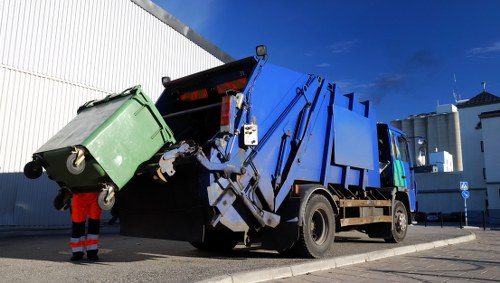
Business waste removal in Palmers Green should give local organisations a practical way to keep workspaces clear, organised and ready for day-to-day trading. We handle a broad mix of commercial waste streams, from routine office clear-outs to bulky items that need careful loading and responsible transfer. The service is designed for premises that need an efficient collection and clearance option without turning waste management into a distraction from the working day.
Typical work can include office furniture, redundant stock, packaging, archive materials, shelving, fixtures, appliance items and mixed non-hazardous commercial rubbish. Where a site has multiple waste types, we can separate them for a more orderly load and better recovery of recyclable materials. For businesses comparing options, our business waste removal service is the main place to start, while the wider waste removal page gives a broader view of the kinds of clearances we support.
For a straightforward enquiry, tell us what needs removing, how much space it occupies and whether there are any access points we should know about. That helps us shape a practical plan for the visit. If you already know the type of clearance you need, you can request a quotation after reviewing the most relevant pages, or simply get in touch and ask for guidance.
Office and workplace clearances

Office waste removal often needs more care than a simple load-and-go collection because the contents can include mixed furniture, documents, screens, broken peripherals and storage items that must be handled in an orderly way. We can clear workstations, chairs, cabinets, desks and general clutter from offices, studios and shared premises. Where items are still serviceable, it is sensible to separate them before removal so the load stays organised and the outcome remains clear for everyone involved.
For businesses with confidential paperwork, our confidential shredding page covers a service that may suit archive boxes and sensitive records which should not go into standard mixed waste. In the same way, an office refresh can also involve furniture that is no longer wanted, and the office clearance page explains a fuller workplace-clearance option for furniture, fittings and general contents. These pages help separate routine waste from items that need a more specific disposal route.
A good office clearance plan usually starts with a short list of what stays and what goes. Keep access clear to lifts, corridors and loading points where possible, and if a building has booking rules or narrow time windows, it helps to mention them early. Two useful points usually cover most enquiries: first, what type of items are involved; second, whether the clearance needs to take place around staff, customers or other trades.
Furniture, fixtures and bulky items
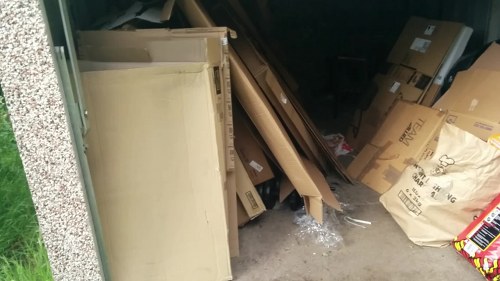
Commercial premises often accumulate large items that are awkward to move without planning. That can include desks, reception seating, cabinets, shelving, conference tables and mixed office furniture that no longer fits the layout of the site. We remove bulky items in a way that keeps the work manageable and helps reduce disruption, especially where furniture is being taken out before refit, relocation or a change in use. The key is to match the removal method to the item type and the access available.
If the main issue is unwanted furniture, the dedicated furniture clearance page is a useful reference, and furniture disposal covers disposal for items that are no longer required at all. For larger soft furnishings, our mattress and sofa disposal page can be helpful too, particularly where a premises has domestic-style seating in a staff area or a furnished rental property used for business purposes. These are distinct routes for different bulky waste decisions.
Bulky item removal is often easier when items are grouped by room or floor before collection, and when any fixings, cables or loose components are detached in advance if that can be done safely. It is not necessary to dismantle everything, but simple preparation can make the load quicker to assess. If you are unsure whether an item is a clearance item or a reusable fixture, a short description is usually enough for us to advise on the next step.
Warehouse, storage and mixed-site waste
Sites with stockrooms, back-of-house areas or storage units often need a removal plan that deals with more than one type of material at once. Cardboard, pallet wrap, broken display pieces, redundant racking, packaging waste and general non-hazardous rubbish can all appear in the same location. We can remove mixed commercial waste in a way that keeps the load organised and makes it easier to direct items toward recycling, reuse or disposal routes that suit the material.
Not every load is suitable for the same handling method, which is why it helps to distinguish between standard waste, bulky items and restricted materials. Our recycling and sustainability page sets out the general approach to separating materials where possible, while what can go in a skip is useful background if you are comparing clearance options and want to understand common waste categories. For sites with access limitations, it can also help to think in advance about the path from the waste area to the vehicle.
Where a mixed-site clearance includes several teams or departments, a simple sequence works best: identify the areas involved, note any items that must stay in place and list anything that needs special handling. That makes it easier to avoid duplicate labour and reduces the chance of missed items. Clear labelling and brief instructions are often enough to keep a worksite waste job on track.
Builders’ waste and refurbishment clearances
Commercial refurbishments and fit-outs generate waste that is different from day-to-day office rubbish. Broken timber, packaging, offcuts, old fittings, plasterboard fragments and other non-hazardous debris can build up quickly while work is underway. We support builders’ waste clearance for premises that need the remains of a project removed in a structured way, with attention to access, timing and the need to keep the site usable. The aim is to clear what is no longer needed without creating extra handling for the customer.
For more detail on renovation and trade waste, the builders waste clearance page gives a better picture of this service type. If the work is being carried out in a larger premises with multiple rooms, a builder’s waste visit can often be paired with other clearances so that the site is left in a more workable condition. It is generally sensible to separate trade rubble from reusable fixtures before removal, because that keeps the process straightforward and helps with material sorting.
When planning a refurbishment clearance, two practical points matter most: where the waste has gathered and how it can be reached. If waste is spread across several floors, a route for moving it safely is important. If the job includes heavier items, mention them early so the collection can be organised properly. Planning around the site layout can save time and avoid unnecessary interruptions to trades already working there.
About Palmers Green

Palmers Green is a district in the London Borough of Enfield, in north London, and is often associated with the Broad Walk and the wider Green Lanes corridor. The area developed significantly in the late nineteenth and early twentieth centuries, when suburban expansion brought new housing, shops and transport connections to what had been a more rural part of Middlesex. Its railway station, now an important local stop on the line between central London and Hertford, has long shaped movement in and out of the district, while nearby roads link it to neighbouring parts of north London. The local street pattern mixes Victorian and Edwardian terraces, later interwar development and modern infill, creating a varied urban landscape rather than a single uniform centre. Among the best-known green spaces nearby is Broomfield Park, which includes formal gardens, a lake and open lawns, and remains one of the area’s most recognisable public amenities. The district also has a notable cultural mix, reflected in its shops, cafés, places of worship and community organisations, and this variety is visible in the everyday life of the High Road and surrounding residential streets. Architectural details, mature tree cover and the presence of older commercial buildings help give the area a distinctive character within Enfield. For many people, Palmers Green is a place where suburban residential life, local retail and rail access meet in a relatively compact and walkable setting.
House clearances for commercial landlords and property managers

Although this page focuses on business waste removal, some customers also need support with properties linked to their business activity. That can include former staff accommodation, rental units managed by landlords, vacant properties awaiting handover or mixed-use premises where domestic items and business waste have become intermingled. In those cases, a planned house or flat clearance can be the most suitable route. We can remove general contents, unwanted furniture and miscellaneous items so the property is left ready for cleaning, inspection or onward work.
Where a property contains a full range of contents, the house clearance and flat clearance pages explain the main domestic-clearance options. If the job involves loft storage, garage contents or a property where items have been accumulated over time, the related loft clearance and garage clearance pages may also be relevant. Choosing the right route matters because it helps keep the work aligned with the type of space, the volume of items and the access available.
If you are comparing options for a mixed property, start by listing the areas involved and separating anything that must remain on site. A short note about floors, parking and any loading restrictions is usually enough to help us understand the job. For a smoother enquiry, group similar items together and mention any especially bulky pieces so the removal can be arranged efficiently. You can also contact us to talk through the most suitable clearance route and ask for a quotation.
Special items, restricted waste and safer handling
Some business clearances include items that should not be treated like ordinary mixed waste. Fridges, appliances, potentially sensitive materials and certain unusual waste streams need specific handling, and the right disposal route depends on what the item is and how it has been used. We can advise on these categories so that the clearance plan stays practical and does not mix incompatible materials in the same load. That is particularly important where waste has been stored in a back room, cellar or service area for some time.
The fridge and appliance removal page covers white goods and similar items that need a dedicated collection route, while hazardous waste disposal is the better page for materials that require extra caution and cannot be handled as standard rubbish. For premises where safety procedures matter, the insurance and safety page sets out our general approach to working carefully and keeping the job structured. These pages are best used when the clearance includes items with specific disposal considerations.
A short inventory is useful when a site includes anything unusual, because it helps separate standard waste from items that may need a different route. If there are labels, serial numbers or warning signs on any objects, mention them in the enquiry rather than guessing whether they matter. Better description leads to better planning, especially for items that cannot simply be grouped with the rest of the load.
Pricing factors, access and booking
Commercial waste clearance quotes are usually shaped by the volume of material, the type of items involved, the ease of access and any time-sensitive requirements connected to the site. A small office load, for example, may be very different from a multi-room clearance with bulky furniture and mixed contents. We aim to assess the work against the actual job rather than force it into a one-size-fits-all description, which is why a concise but accurate outline is often the best starting point for a quotation.
If you want a better sense of how costs are considered, the pricing and quotes page explains the main factors involved. For customers who prefer to arrange a visit online, book online is available as a simple route to begin the process. In either case, the same information helps: what is being removed, where it is located and whether there are any access or timing issues. That keeps the request efficient without overcomplicating the first contact.
A clear booking note usually needs only a few points: the type of premises, the main items to remove and whether anyone needs to be on site to grant access. If photographs are available, they can be helpful, but a written summary is still the most important part of the enquiry. One accurate description is better than several vague ones, because it helps set the job up properly from the start.
Working with us on a practical clearance plan
Our business waste removal service is intended for organisations that need a clean, orderly and commercially sensible way to deal with unwanted items. Depending on the site, the work may involve office rubbish, furniture, appliances, trade waste or mixed contents from a property linked to business use. The right plan is usually the one that matches the load, the access and the intended outcome, rather than a generic waste collection that leaves the customer to sort out the rest later.
If you would like to look at related service details, the about us page gives broader background on the company, while contact us is the direct route for a tailored enquiry. You can also review health and safety policy if you want to understand the way we approach safe working arrangements across different kinds of clearance. These supporting pages are useful when you want a fuller picture before deciding how to proceed.
For the quickest next step, send a brief outline of the items involved and the type of premises. If the job is urgent or has a narrow access window, say so early. Otherwise, keep it simple and ask for a quotation when you are ready. Tell us what needs removing, and we can help you move from enquiry to a workable plan.